Skip to content
Eduardo Montilva
Get in touch
Software Engineer · Latam · Remote · UTC-4

I build the backendsystems, data pipelinesand infrastructurethat products run on.

Backend, Distributed Systems & Applied AI. 7 years in, after training as an electrical engineer. Right now that means event-driven services on the JVM and in TypeScript, data pipelines over millions of records a day, and the Kubernetes that keeps them alive.

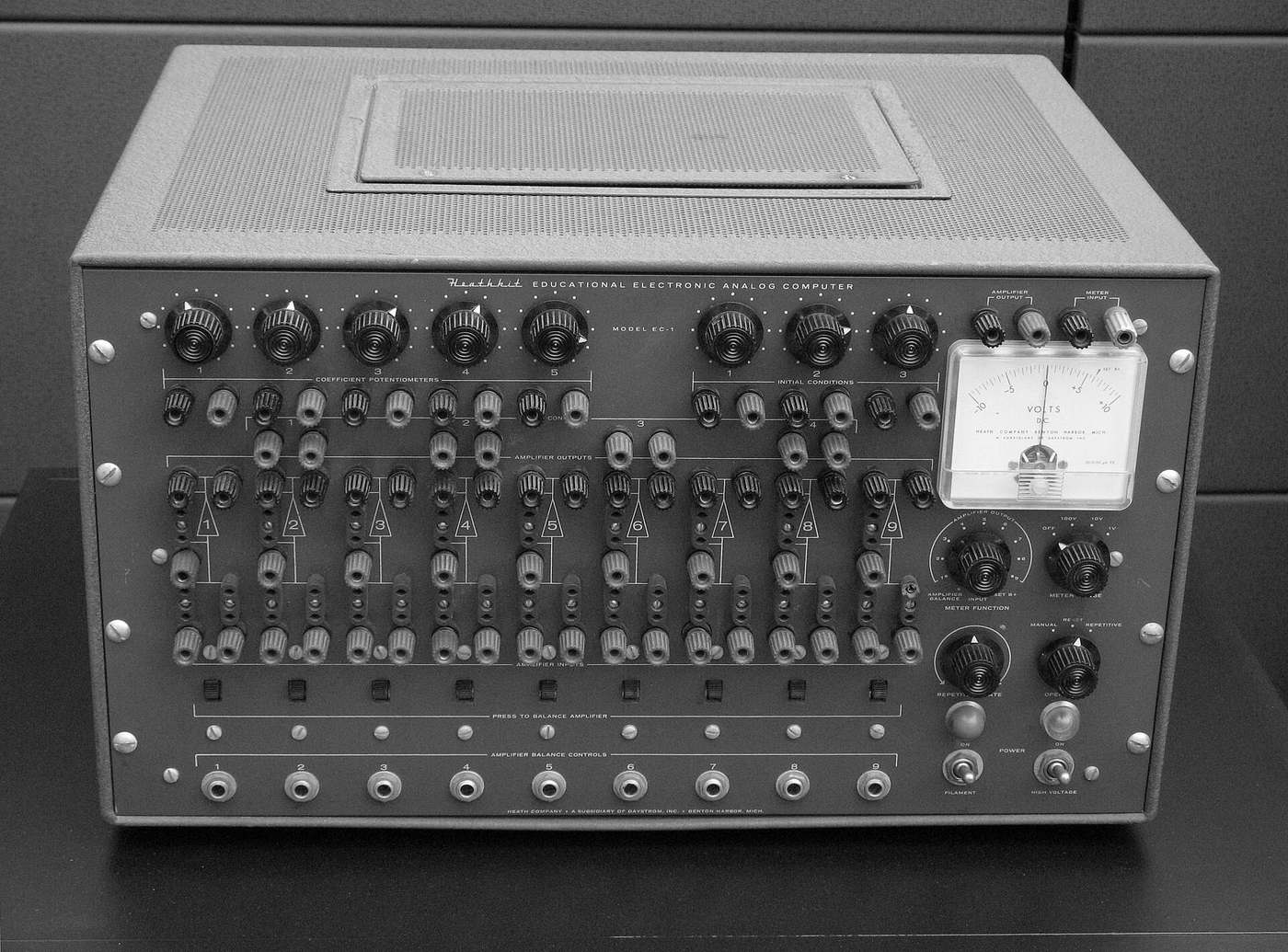
The front panel of a Heathkit EC-1 educational analog computer: rows of coefficient potentiometers, red and black patch sockets, and a voltmeter.
1960. A Heathkit EC-1 analog computer: the problem is wired up with patch cords and the answer is a voltage.Michael Holley · Computer History Museum · public domain
In software7 yearssince the first engineering role
CurrentlyBeast IndustriesSoftware Engineer
Based inLatam · UTC-4remote, overlapping with the Americas
In production3 productsbuilt and run end to end
Ask

In a hurry? Ask the page.

A small assistant answers questions about my background from this CV and nothing else. It streams, it is rate limited, and it says so when it does not know.

Download CV

Ask anything about Eduardo's work. Answers come from a language model reading this page, so treat them as a summary rather than a quote.

Press Tab to accept the suggested question, Enter to send.

About

Backend systems, and the infrastructure they run on.

I build backend systems and the infrastructure they run on. Event-driven services, the data pipelines that feed them, and the Kubernetes plumbing that keeps them alive. Most of my work is in Python, TypeScript, Java and Kotlin, with Rust when it has to be fast and SQL throughout.

I trained as an electrical engineer at Universidad Simón Bolívar and spent my first years splitting time between power systems consulting and software. Software won, but the power systems side never quite left. It is still what I build for fun.

What I work on
Data pipeline diagramEvents, video data and transcripts flow into a Python and Databricks pipeline, then through embedding and model work, and out to internal services and user-facing products.eventsvideo datatranscriptspipelinesPython · DatabricksembeddingsGPU batch · NLPservicesproductsmillions of records / day
How the assistant above finds an answer
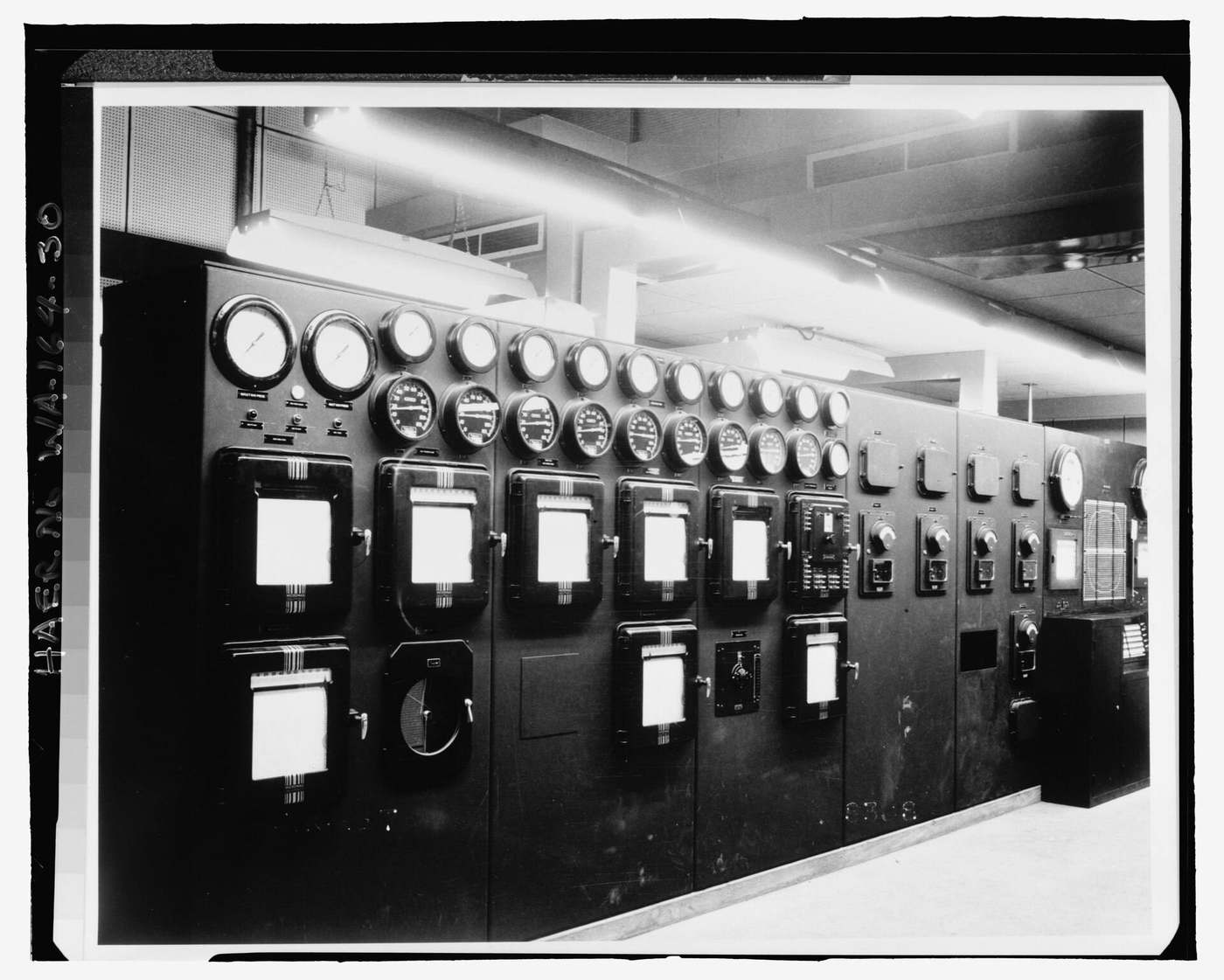
A wall of round gauges and strip-chart recorders in a 1945 control room.
1945. A wall of recorders in a control room. Measure first; then decide.Historic American Engineering Record · Library of Congress · public domain
Products

Three things I run in production.

Each one is a product end to end, built and operated by one person: the backend and the data, the billing, the page that sells it, and the people who pay for it.

  • OriginStat

    live
    originstat.com ↗

    Cookieless web analytics that ties every visit to the revenue it produced.

    A customer's payment provider webhooks into it, so the sources report stops at "1,200 visits from X" and goes on to say how many of them bought, for how much, net of refunds, with churn attributed back to the channel that brought it. Polar, Stripe, Lemon Squeezy, Paddle and Dodo arrive at one endpoint. The ingest path runs in under a millisecond of CPU with no database call, and the whole thing lives on Cloudflare.

    Cloudflare WorkersAnalytics EngineD1Durable ObjectsHono
  • SocialEar

    live
    socialear.app ↗

    Social listening across Reddit, Hacker News, Lobsters, YouTube, Instagram, TikTok and X.

    Watches the places a product gets talked about, reads every match for sentiment and intent, and alerts by email or Slack while the thread is still open. Each source is polled once and shared by everyone watching it, which is what makes it affordable; YouTube is read by what is said in the captions. Server-rendered on Cloudflare, with a public REST API and its own credit metering.

    Cloudflare WorkersD1QueuesDurable ObjectsWorkers AIPython
  • bakepdf

    live
    bakepdf.app ↗

    Every PDF tool people actually use, in one place, running in the browser.

    Merge, split, compress, sign, redact and convert without uploading a file: the PDF engine runs client-side, so there is no upload latency, no per-request CPU and nothing to delete afterwards. The three tools that need a model, chat, summarise and OCR, go through a Worker, and saved files are stored as ciphertext the server cannot read.

    TypeScriptCloudflare WorkersD1R2pdf-libpdf.js
Experience

7 years building software, after training as an electrical engineer.

  1. July 2024 – Present

    Remote

    Beast Industries (@MrBeast)

    Software Engineer

    • Build and maintain services across a large Java and Kotlin monorepo covering analytics, data collection, ranking, outlier detection, search, payments and alerting.
    • Built and lead the Python data pipelines project end to end, along with the infrastructure it runs on: ingesting millions of records and processing them into data ready to be served to internal services and user-facing products, with Databricks handling the heavy batch work.
    • Took an AI image and thumbnail generation service from an empty repository to production, including model integration, the async job queue, storage and the public API.
    • Design event-driven systems on top of RabbitMQ, backed by PostgreSQL, Cloud Spanner or ClickHouse depending on whether the workload is transactional or analytical.
    • Currently building out backend services on a NestJS and TypeScript stack alongside the JVM platform.
    • Own the embedding and NLP work those pipelines carry: GPU batch inference at scale, transcript analysis, topic classification and brand-safety scoring.
    • Built a retrieval-augmented generation service so internal users can query analytics data in plain language.
    • Maintain roughly 70 Helm-deployed services on GKE through Argo CD, along with the infrastructure-as-code, ingress, certificate and DNS automation and OpenTelemetry tracing around them.
    • Write the Kotlin authentication services (token issue and refresh, session handling) that every client surface depends on.
    • Contribute to product frontends in Next.js and a React Native mobile app when a feature needs to be delivered end to end.
  2. November 2022 – July 2024

    Remote

    Talamo Iberica

    Backend Developer & Project Manager

    • Designed and built a blockchain platform with services in TypeScript, JavaScript, Python and C++, including the security and peer-to-peer communication layers.
    • Wrote the REST APIs and WebSocket protocols (Node.js, Express, PostgreSQL) carrying peer-to-peer traffic and client-to-backend communication.
    • Broke the system into microservices to handle several thousand daily requests from the platform's active users.
    • Planned sprints, task breakdown and workflow for a team of more than 10 developers.
    • Set up the CI/CD pipelines used to deploy blockchain nodes and APIs.
  3. February 2019 – November 2022

    Remote

    Freelance / Private Contract Work

    Software Engineer

    • Delivered backend systems for e-commerce, blockchain and SaaS clients using Python (FastAPI, Flask), Node.js with TypeScript, Java, C++ and some Go.
    • Designed relational and document schemas across PostgreSQL, MySQL and MongoDB.
    • Built the data acquisition pipelines that fed downstream machine learning models.
    • Trained and shipped models in production: CNNs for image classification, RNNs for text generation, regression models, and transformer-based language models.
    • Implemented CI/CD pipelines on AWS for fast deployment.
    • Worked alongside frontend developers in React, writing hooks and components for data fetching and state updates.
  4. February 2019 – July 2022

    Contract

    Independent Consultant

    Electrical & Power Systems Engineer

    • Modeled and simulated the SIEPAC Central American transmission network (100+ busbars, 15 substations) in DigSILENT PowerFactory and ETAP, running AC and DC load flow studies.
    • Wrote optimal power flow algorithms in Python and MATLAB, including nonlinear and MINLP formulations with equality and inequality constraints.
    • Developed stability control strategies for synchronous generators, motors, wind turbines, photovoltaic systems and EV charging stations.
    • Designed the low-voltage distribution for a residential building inside the TACOA substation in La Guaira: short-circuit calculations, panel sizing and cable sizing.
    • Built transmission line and tower models in PLS-CADD and PLS-Tower, with protective device coordination.
    • Designed photovoltaic systems and ran Simulink simulations against real-world operating scenarios.
  5. December 2018

    Universidad Simón Bolívar

    B.Sc. Electrical Engineering

    Thesis: Analysis of the Electrical Interconnection System of the Central American Countries (SIEPAC Network)

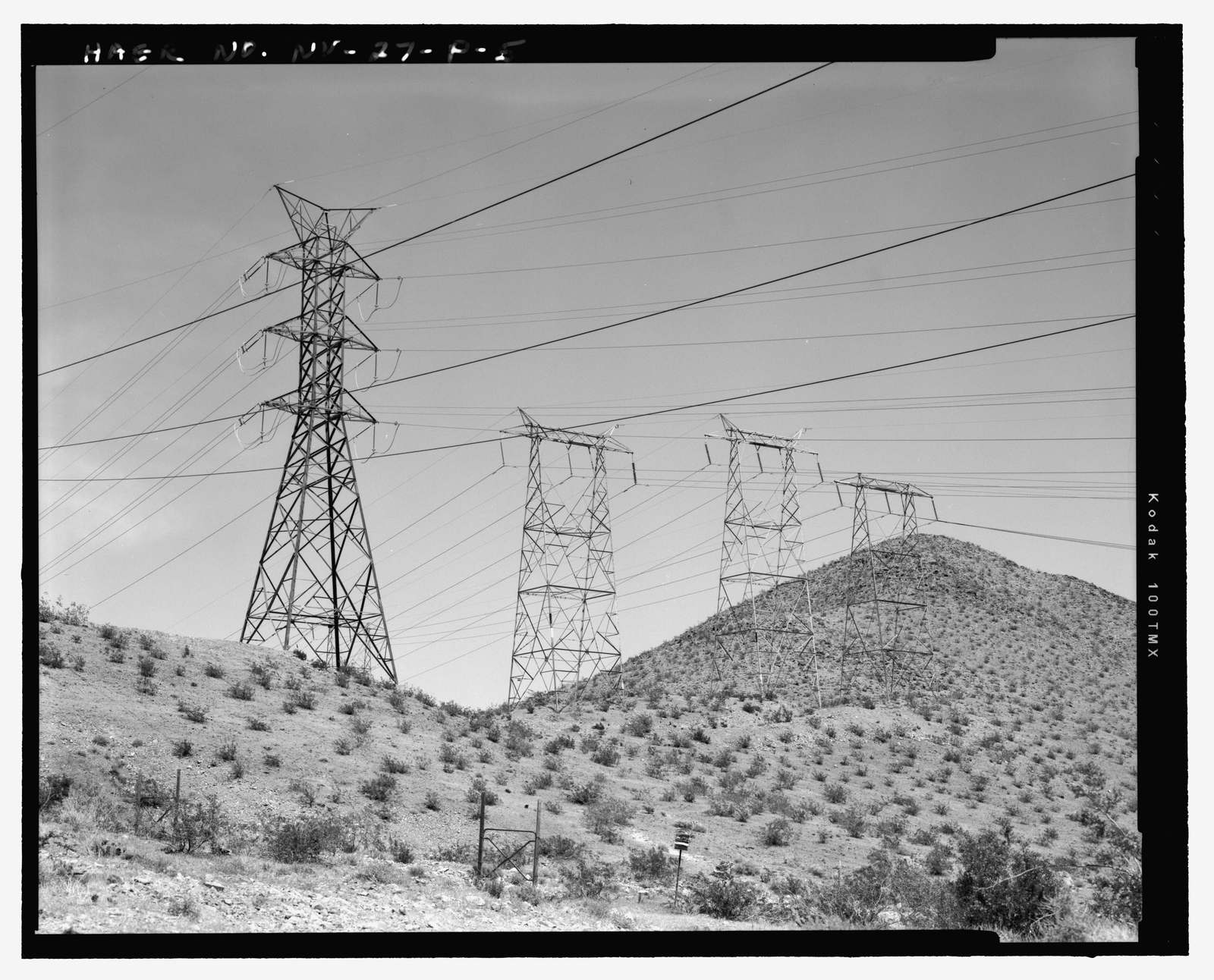
Four steel transmission towers carrying high-voltage lines across desert hills near Hoover Dam.
Hoover Dam transmission line, 2003. The grid is already a graph.Douglas M. Edwards · Historic American Engineering Record · public domain
Projects

Mostly where power systems and software meet.

Things built outside work. The three power-system projects are about one picture: solving the flows across a network, estimating its state with a graph network, and choosing which machines run.

Transmission networktwo generators, two loads, one corridor at its limit
Transmission network one-line diagramEight busbars in a meshed network. Two generators feed power through the lines to two loads, with one corridor carrying more than the rest.generationpower flowat its limitload
Skills

The same handful of methods, on both sides of the work.

Solving a power flow and training a model come down to the same problem: descend a surface to its minimum. Here are three of the methods I use, released from the same starting point.

Optimizationsteps to converge
Three optimizers converging on the same minimumContours of a badly conditioned quadratic. Gradient descent zigzags across the valley in 32 steps, Adam curves along it in 20, and a damped Newton method reaches the minimum in 5.sgd · 32adam · 20newton · 5
Languages
PythonJavaKotlinTypeScriptJavaScriptRustCC++GoSQLMATLABBash
Backend
SpringNestJSFastAPIFlaskExpressNode.jsRESTWebSocketsgRPCRabbitMQEvent-drivenMicroservices
Data
PostgreSQLCloud SpannerClickHouseMySQLMongoDBRedisDatabricksBigQuerySupabaseVector databases
ML
PyTorchTensorFlowStable-Baselines3EmbeddingsRAGNLPCNNsRNNsTransformersGNNs
Optimization
Newton-RaphsonInterior pointL-BFGSSGDAdamConvex optimizationNonlinear programmingMINLPGenetic algorithmsOptimal power flow
Cloud
GCPAWSKubernetesHelmArgo CDDockerTerraformCI/CDOpenTelemetryGrafana
Frontend
ReactNext.jsVueReact Native
Engineering
DigSILENT PowerFactoryETAPPLS-CADDPLS-TowerSimulinkAutoCAD
Spoken
Spanish (native)English (professional)
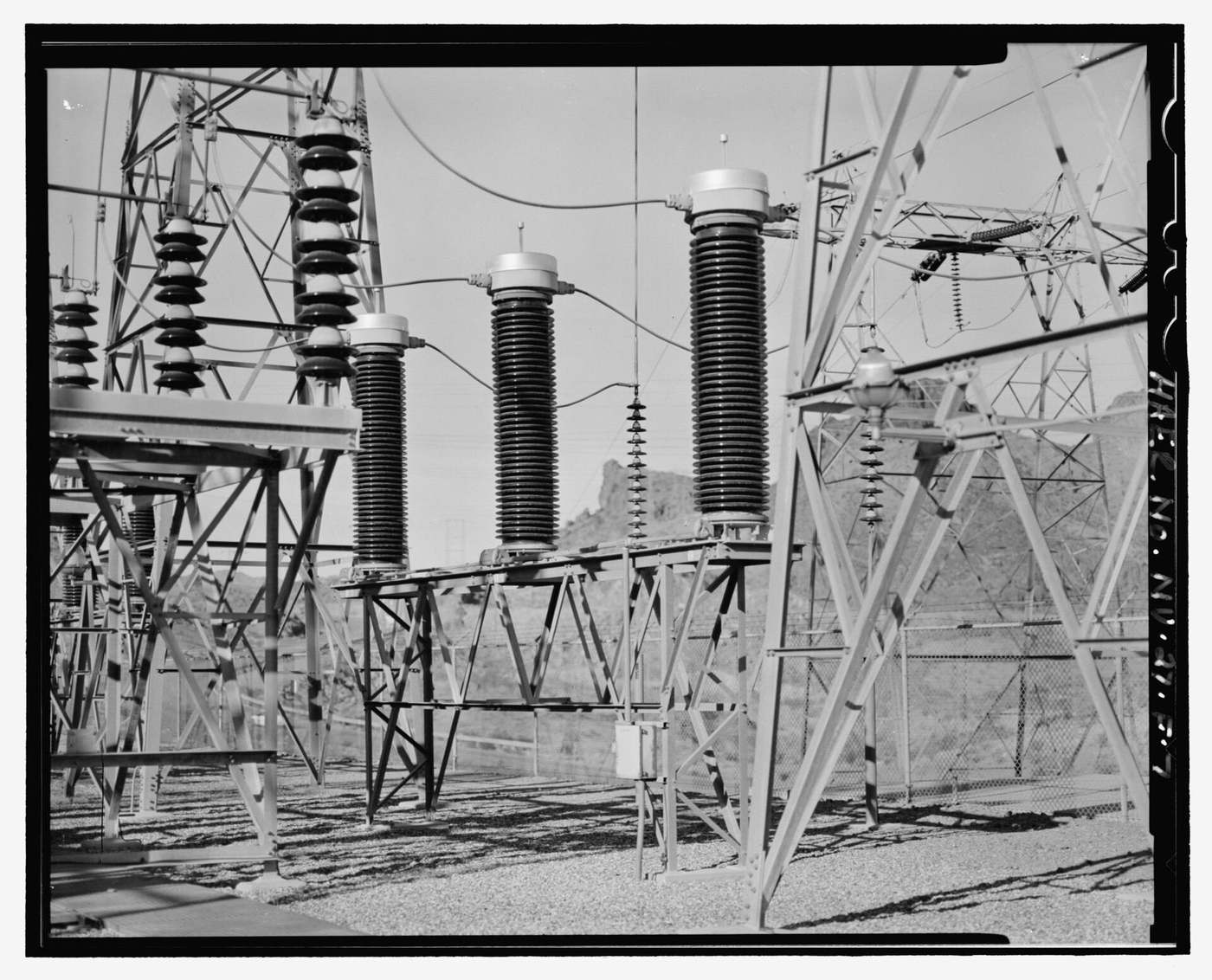
Three tall current transformers with ribbed porcelain insulators in the Hoover Dam switchyard, with steel lattice structures around them.
Hoover Dam switchyard, 2002. Current transformers: the measurement is part of the circuit.Deborah Dobson-Brown · Historic American Engineering Record · public domain
Contact

Open to backend, infrastructure and applied AI work.

Remote, from UTC-4. A short message with what you are building is the best way to start.